

At Jeffrey’s Journey & Legacy, our advocacy is grounded in the 10 Human Rights of People with Moderate and Severe Acquired Brain Injuries (ABI/TBI). Central among these rights are the right to specialized neuro-rehabilitation, the right to accurate functional assessment, the right to long-term recovery opportunity, and the right to non-discriminatory medical decision-making. The role of PM&R (Physical Medicine & Rehabilitation) physicians with Board Certification on Brain Injuries is foundational in protecting these rights by ensuring recovery potential is evaluated through the lens of neuroplasticity, not limited by premature assumptions or arbitrary timelines.
Not a single milestone. The first 6 to 12 months following the injury are critical, as the brain's capacity for neuroplasticity it's ability to rewire and recover is at its peak. However, depending on the severity of the brain injury, recovery efforts may extend for 3 to 5 years or more. Despite this, significant barriers placed by insurance companies often hinder this process, especially after the initial 6 to 12 months.
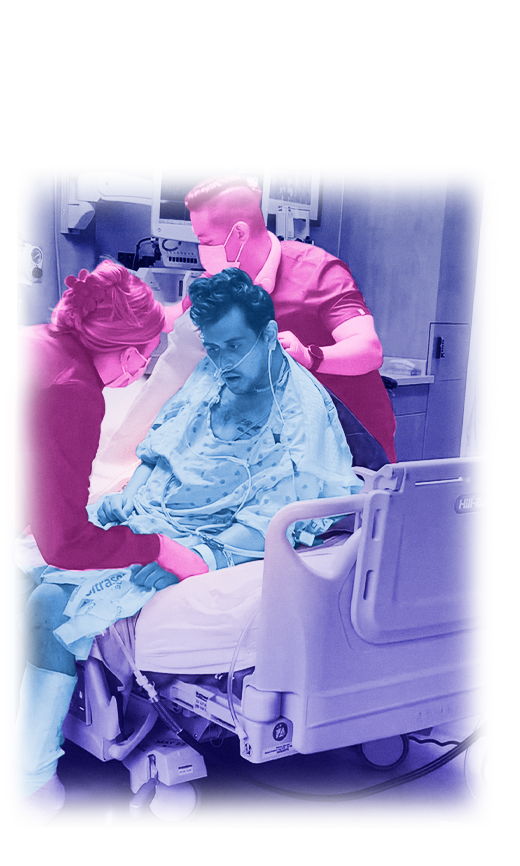
They assess whether the brain is functional or non-functional at a given moment. Conversely, PM&R physicians with brain injury certifications take a holistic view, seeing the patient as a whole person with the potential for recovery. PM&R physicians recognize neuroplasticity as a powerful force for unexpected restoration and actively advocate for long-term recovery plans that maximize the patient's quality of life.
These policies fail to recognize the complexities of brain recovery and often force patients into inadequate care settings, such as nursing homes, or prematurely cut off access to critical therapies. This disregard for the extended recovery timeline robs patients of their potential for meaningful restoration and places undue emotional and financial burdens on families.
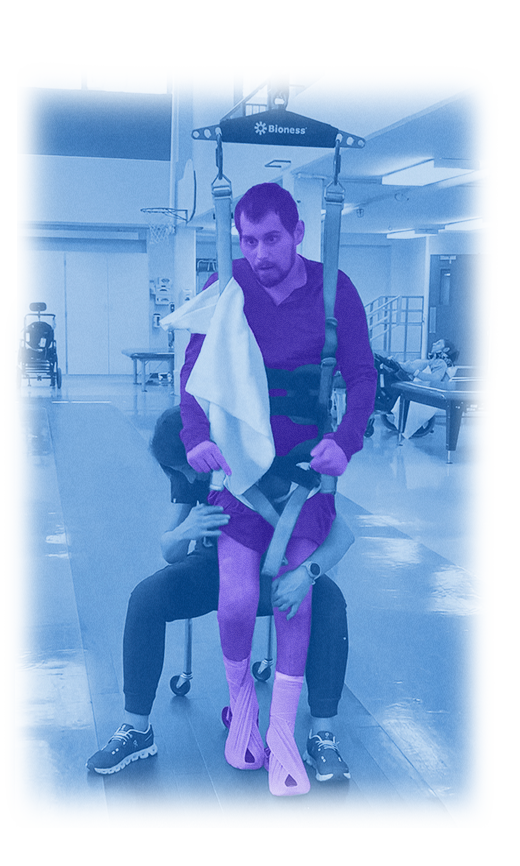
Hospitals must prioritize life and recovery by bringing together neurologists, PM&R specialists, internists, infectious disease specialists, and case managers to form a united front in advocating for the patient's care.
This collaboration must extend beyond the hospital setting to secure insurance approvals for continued recovery efforts, regardless of arbitrary timelines imposed by insurers.
Hospitals must recognize the unique expertise of PM&R physicians in creating and leading recovery-focused care plans. Their understanding of neuroplasticity and long-term rehabilitation strategies makes them uniquely qualified to guide decisions about the patient's recovery potential and care trajectory.
Case managers must prioritize transferring patients to top-tier neuro-recovery centers, where they can receive the specialized, multidisciplinary care required to maximize recovery. Families and patients must be fully informed and empowered to advocate for these options, supported by a collaborative medical team.
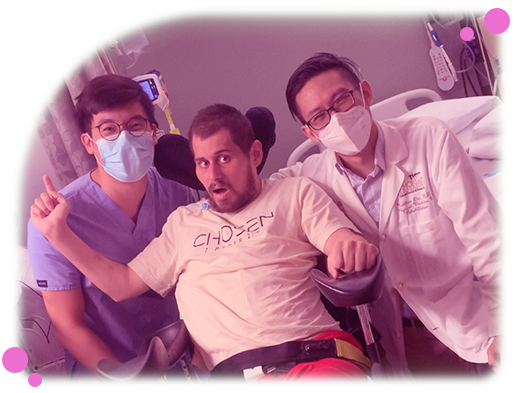
In cases of neurological injury, involving PM&R (Physical Medicine and Rehabilitation) physicians is essential to providing personalized, comprehensive care. Their expertise helps ensure that patients receive effective, holistic treatment plans designed to support optimal recovery.

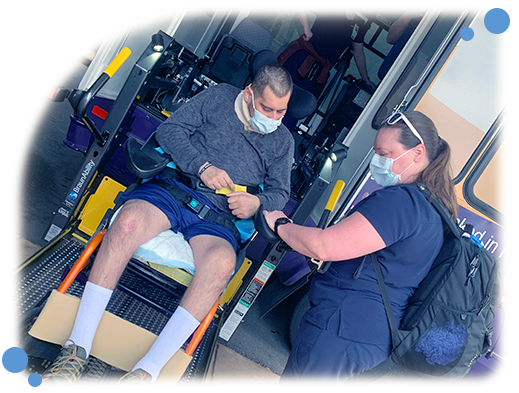
PM&R physicians are equipped to address the physical, emotional, cognitive, and social needs of individuals with neurological conditions, promoting greater functional independence and quality of life

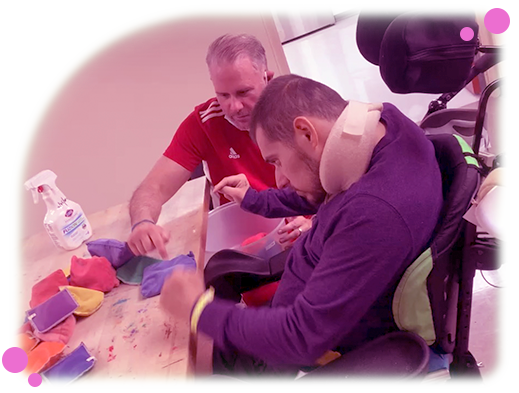
PM&R physicians are essential in securing insurance approvals for patient treatment by using their expertise to navigate the complex healthcare system, ensuring patients receive the necessary coverage and support during recovery.

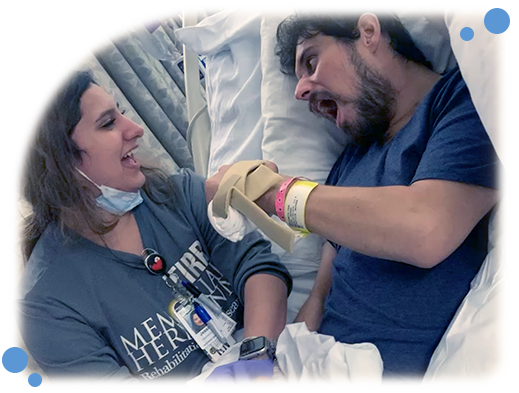
We urge Texas hospitals to embrace a team-based approach that recognizes the expertise of PM&R physicians with neuro-injury certifications as the cornerstone of brain-injury recovery.

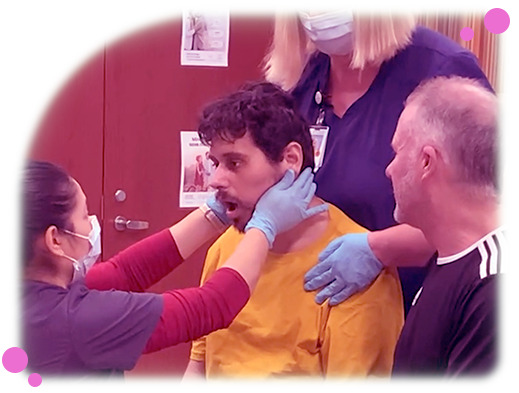
By bringing together neurologists, case managers, administrators, and specialists under PM&R physicians' leadership, hospitals ensure patients receive optimal care, maximizing neuroplasticity and securing necessary insurance approvals for recovery.

Together, we can fight for life, not limitations, and give every brain injury survivor the chance they deserve to live in the hope of unexpected restorations and fulfillment of dreams.
This is what we call: QUALITY OF LIFE