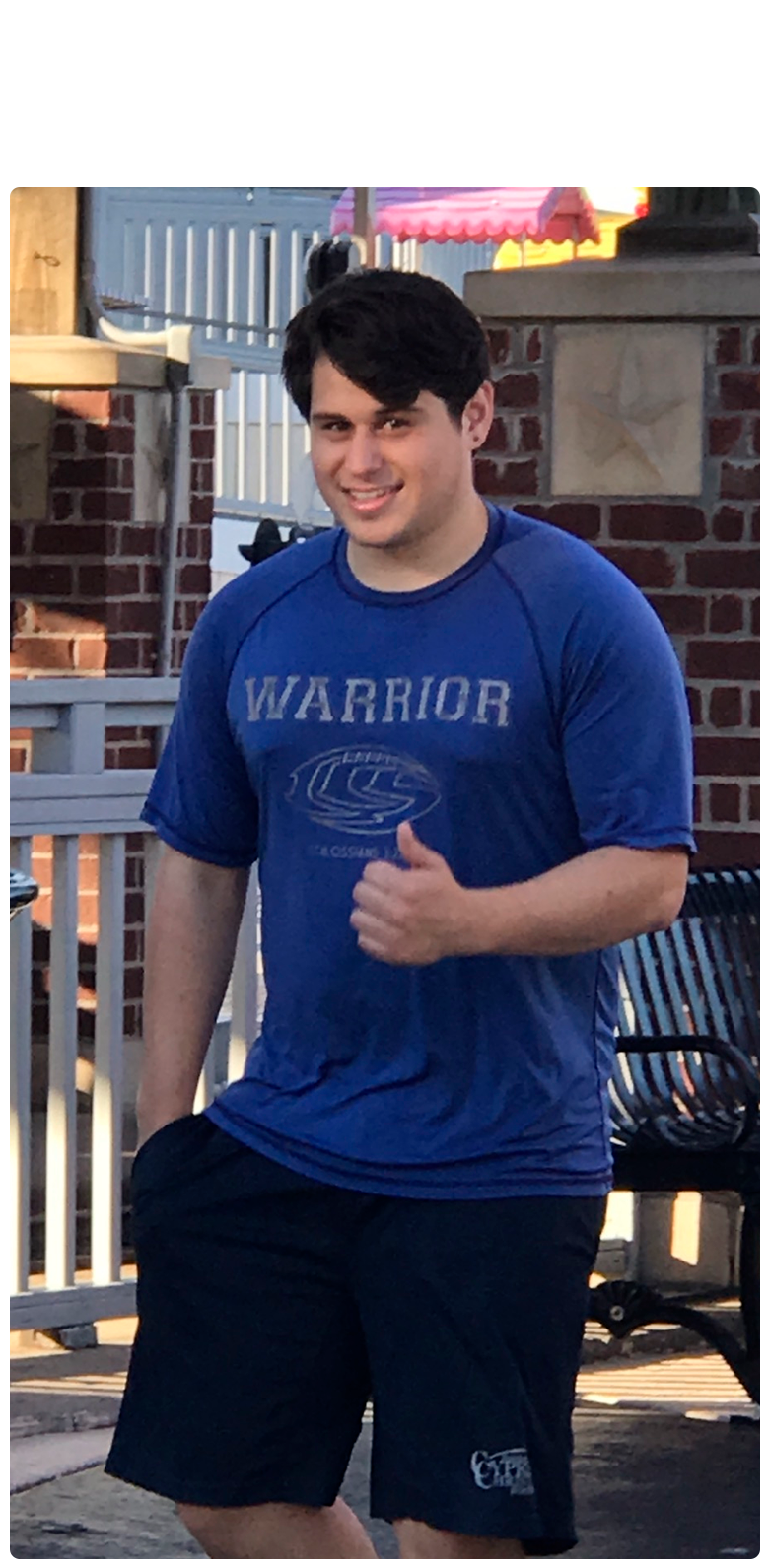
The Season That Changed Everything


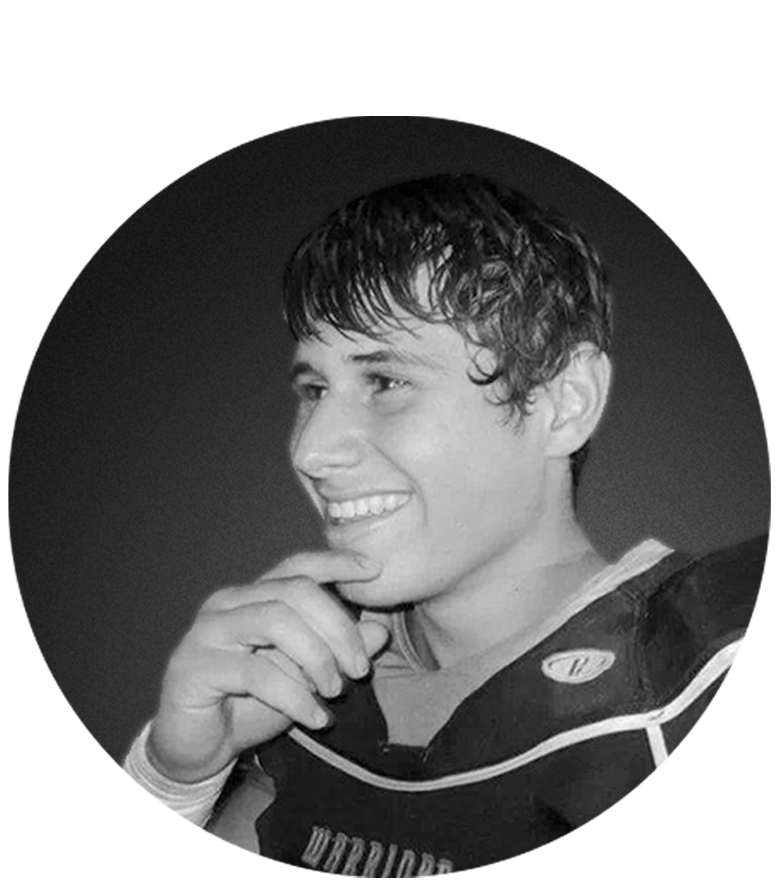
February 9, 1995 – March 6, 2024
“Always remember this: you did it, you stuck with it, you graduated and you proved to yourself that you have the drive and the ability to overcome what once seemed impossible.”
— Jeffrey Boso-Varian, 2018 Commencement Speech
When Jeffrey was born, I was overtaken by love a love that felt strong enough to break every barrier and win every battle.
I did not know then what life would require of us. I only knew that I had been entrusted with something especially beautiful. Every mother understands this mystery: we carry life within us, and then we release into the world a new human being, fragile, almost sacred, and full of possibility. Their minds are empty vessels, and we are entrusted with shaping their views and values. It is a tremendous responsibility that should never be taken lightly or left to chance.
The first five years of Jeffrey’s life, I stayed home with him. Those were among the happiest years of my life. He was expressive, affectionate, observant, and deeply attached to me. He did not simply exist in a room, he was the little human in it who held my very heart within his being. Jeffrey’s eyes were very unique; he could smile with them. Have you ever met someone who smiles with their eyes? That was Jeffrey. He expressed thoughts through them, and there was depth behind them.
Jeffrey grew up in a home where faith, ideas, and conversation mattered. Theology was not an abstract concept in our family, it was lived, discussed, and wrestled with. He absorbed those conversations. He asked questions. He listened carefully.
He was never driven by appearances. He cared about substance. We were a family that cared deeply about substance. We looked further when others seemed short-sighted. We considered consequences. We examined future implications when many were entangled in trends. We analyzed deep concepts: identity, meaning, purpose, values, virtues, and social movements. Jeffrey was shaped by these discussions and ideas.
He was never driven by appearances. He cared about substance.
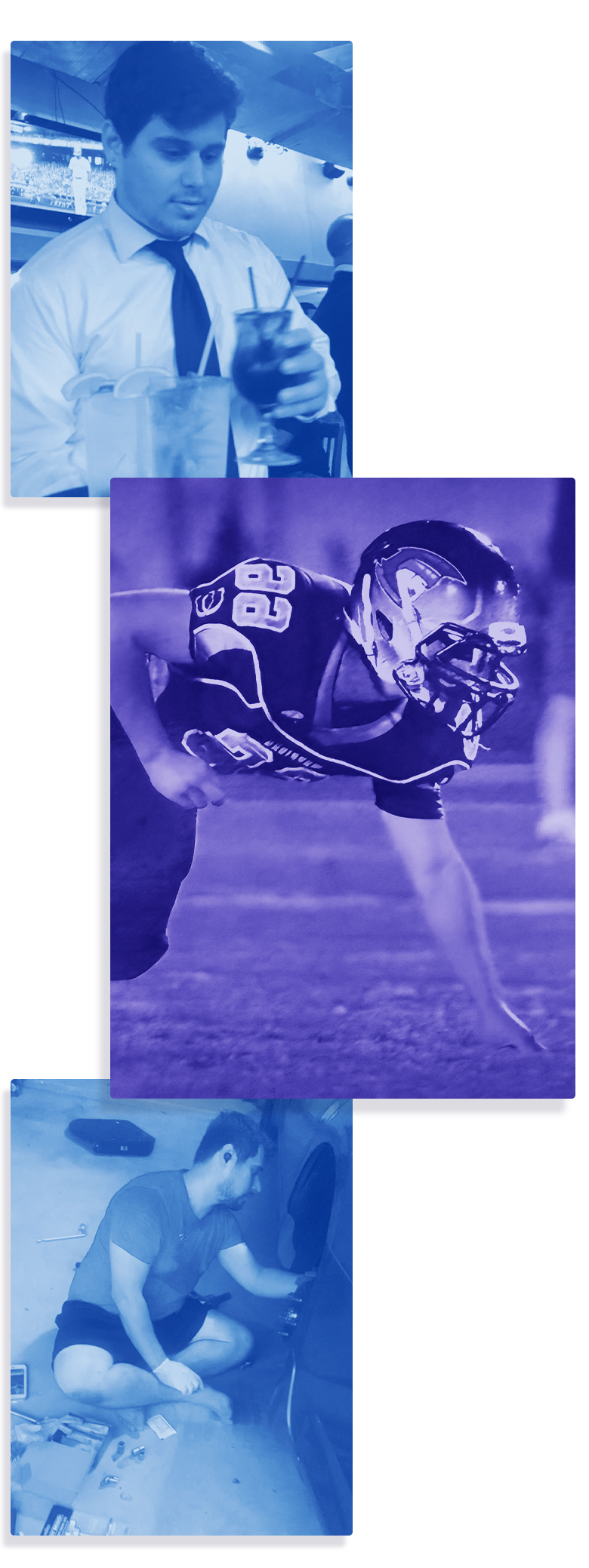
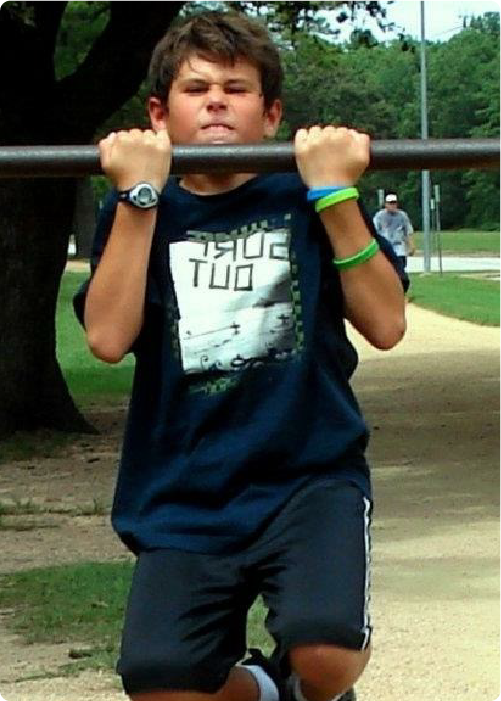
Jeffrey was a four-year high school football player and later a varsity athlete. Football shaped him: discipline, teamwork, endurance, structure. He showed up consistently. He trained. He learned to push through discomfort. He understood that effort mattered.
But Jeffrey was never one-dimensional.
He loved martial arts and competed in jiu-jitsu. He enjoyed working with his hands, fixing cars, worked with friends building tiny-homes, learning mechanical skills, and repairing things.
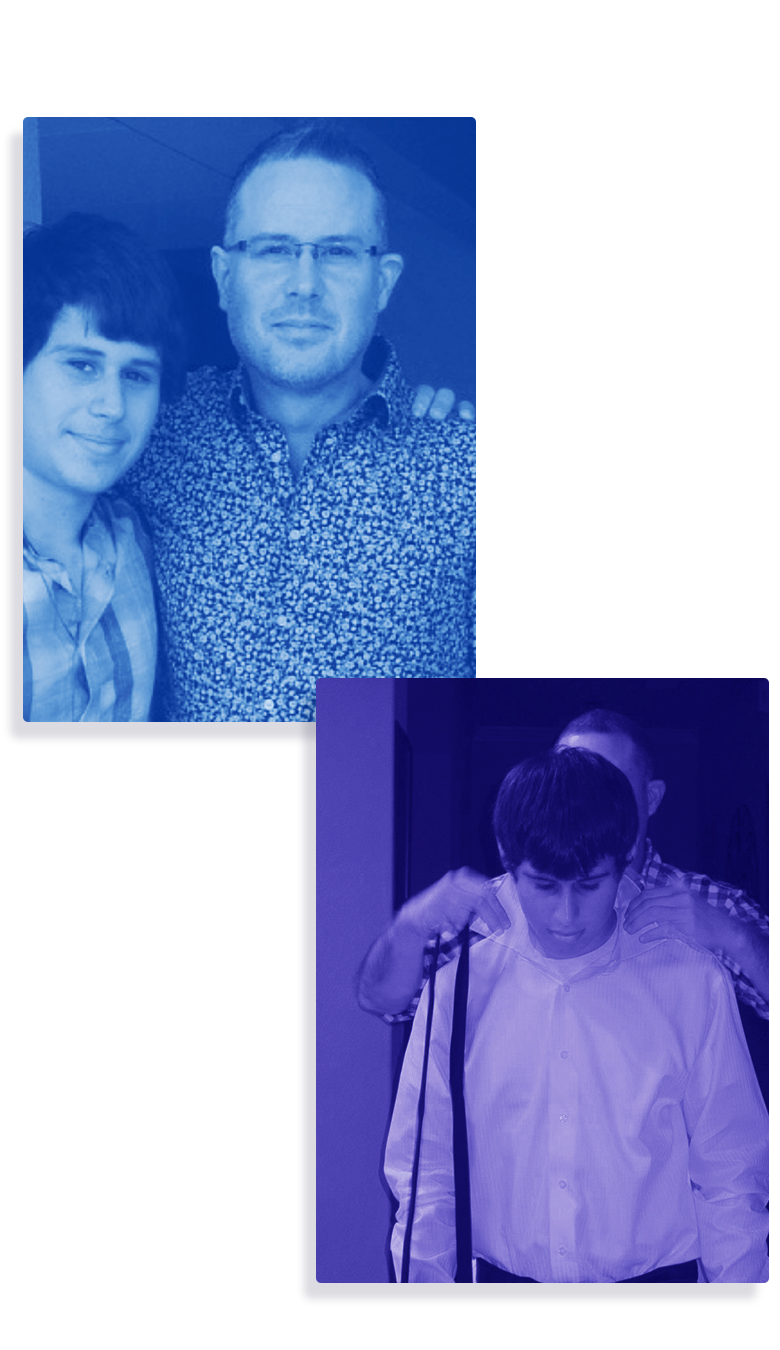
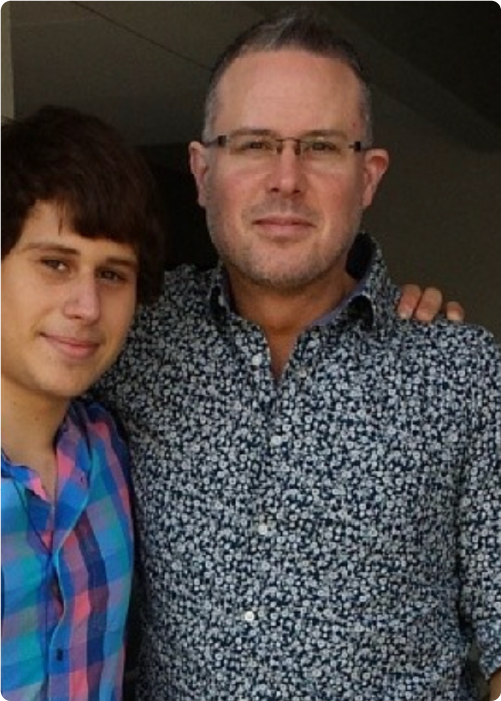
George and I married when Jeffrey was just about to turn seven years old. George quickly became Jeffrey’s favorite person. They spent hours together playing pool, talking, laughing. Jeffrey had been an extremely picky eater, and little by little George helped him learn to eat almost everything.
But their bond went much deeper than shared hobbies. George would sit with him for hours, teaching him how to write clearly, how to compose his thoughts, how to read with understanding, and how to express ideas with structure and confidence. He taught him how to tie a tie, how to carry himself with dignity, and how to approach adulthood with responsibility.
Most importantly, George imparted in Jeffrey’s heart three vital compasses for life: a solid faith in Jesus Christ, a solemn reverence for God as Father, and a deep respect for virtues and truth in a society that often seems to have lost its moral compass.
Jeffrey would often say, “I am the person I am because George taught me to be a real man.”
There were also ordinary, beautiful moments that defined our family. Once, Jeffrey decided to replace the brakes on George’s Infiniti for the first time after learning how to do it on YouTube. George trusted him. I laughed and said I would not be getting into that car afterward. Those were the kinds of moments that make a family real built on trust, growth, and shared laughter.
Later in life, as he was in collage, Jeffrey worked as a waiter and took pride in it. He dressed properly. He worked long shifts. He did not consider himself above labor. He valued responsibility and was proud of handling his own finances. When he made mistakes, he believed it was his responsibility to correct them.
He had strong internal standards.
Jeffrey was thoughtful, analytical, and morally anchored. He read deeply. He researched before speaking. He anticipated counterarguments. He did not repeat trends, he examined ideas.
He loved to hear what others believed. Not to argue. Not to dominate. But to understand. He asked questions that dug deeper questions that revealed patterns and assumptions. He could discern inconsistencies quickly, yet he was not malicious. He wanted conversation, not confrontation.
Sometimes, in a culture that favors slogans over reasoning, that intensity unsettled people. Jeffrey couldn’t grasp why people became angry or retaliated in a nasty way when exchanging different ideas or beliefs. And much less why disagreement would lead to rejection. He was principled, but he was not combative.
His pastor, Johnny Fernandez, described him as:
“Poised, calm, composed, extremely intelligent, and candid in spirit. He was concerned for society. He saw patterns and he was preoccupied with the values that society was leaving behind. I always believed Jeffrey could become a significant figure in our culture.”
One of his closest friends said at his funeral:
“One of Jeff’s gifts was that he could talk with a CEO in the same way he talked with a homeless person. Same respect. Same interest. Same value. He could spend fifteen minutes speaking with a homeless person who could give him nothing in return, just as he would speak to high-level professionals. He saw no difference in his heart. They were the same human beings to him. That was Jeff.”
He did not measure people by status, he measured them by humanity.
His sense of humor was subtle. It appeared in flashes a quiet giggle at something unexpectedly childish, a perfectly timed comment, a small spark of playfulness that caught you off guard. Those who were closest to him saw it most clearly.
He was not the loudest voice in a room.
He was the listener. The processor. The observer.
The one thinking carefully.
In late 2021, Jeffrey entered a brief but devastating struggle with substance exposure. What lasted approximately six months within a year, but altered the trajectory of his life.
Like many young adults across America, Jeffrey experienced vulnerability during a season of longing to belong. Addiction does not begin as a moral collapse; it begins as a chemical and relational trap. In Jeffrey’s case, the escalation was rapid and destructive. Fentanyl was pouring on our streets and hundreds of thousands of young people were being exposed and dying.
Fentanyl is indeed a synthetic opioid that is 50 to 60 times more potent than heroin and morphine, making it extremely dangerous, especially when mixed with other drugs. Its high potency means that even a small amount can lead to overdose and death.
During that season, Jeffrey asked for help multiple times. As a family, we pursued rehabilitation support, and he completed three separate treatment stays. The struggle was brief but severe, and despite sincere efforts, the chemical grip proved devastating.
On November 9, 2022, he suffered a catastrophic Anoxic brain injury. Everything changed.
Initial medical imaging suggested severe structural damage. Expectations were low. Prognoses were narrow. We were told that by one of the top Neurologist from Methodist Hospital, Houston, Medical Center “The son we had was gone” and the only reasonable path was disconnection.
But Jeffrey did not disappear. We fought for life. Texas Right to Life helped us and Jeffrey’s life was saved.
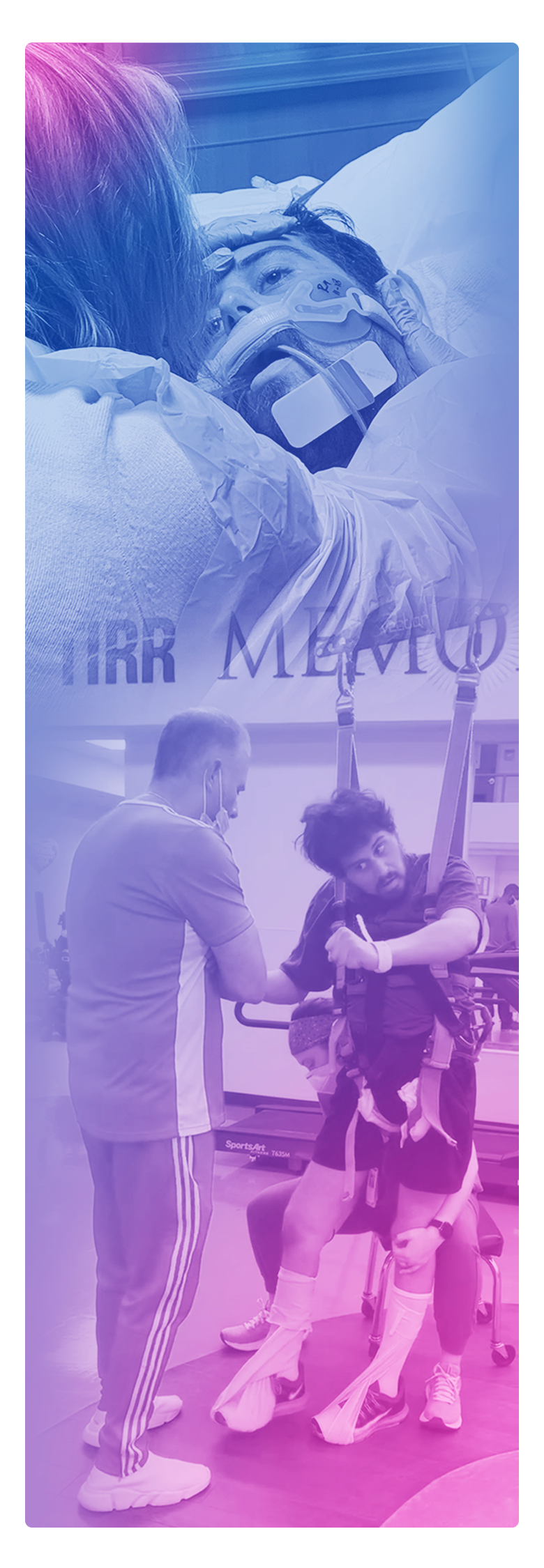
Under specialized rehabilitation care, at TIRR hospital, Houston Medical Center and under experienced doctors Physiatrists experts and board certified in Brain injury like Dr. Mathew Lin, Dr. Cindy Ivanhoe and much later Dr. Graig DiTommaso and a team of therapists with expertise in severe brain damage, Jeffrey demonstrated awareness. Consciousness. He followed commands, he started to stand and learned to walk. We found out that he could read, that he understood everything, he had memory and ability to speak on and off, but in full sentences. He expressed emotion. He showed humor. With time he even sang. He hugged. He engaged. Jeffrey was ALIVE and in a recovery journey.
His personality remained intact. His intelligence and ability to reason were there.
During recovery, (a year and a half living in more than 9 Neuro-centers and hospitals with Jeffrey) George almost never left his side. Their bond was visible in hospital corridors, therapy rooms, and quiet moments of exhaustion. George was not simply present, he was unwavering. Their love did not fracture under pressure; it became visible. George became the motor behind Jeffrey’s engagement. Dr. DiTommaso called him “The Jeffrey Whisperer” for lack of words.
Jeffrey’s recovery challenged assumptions about prognosis, consciousness, and what constitutes meaningful life. He became a living evidence that structural brain injury does not automatically erase personhood.
Neither removes what what doctors in ICU called “Quality of Life” ; actually what it showed was exactly “A Quality of Life that is not based on the injury, but on their relationship with those they love.”
This is called “Relational Biology”, Love, Faith, Endurance, Commitment, A Spirit that is willing to fight back and overcome the worst. An instinct to Live and Survive.
Don’t you ever be deceived by an early prognosis based on “Assumptions about Quality of Life”
Jeffrey passed away on March 6, 2024, at the age of 29.
In the days leading up to his passing, he developed severe infectious complications, including one of the most serious bacterias named Klebsiella Pneumonia. Jeffrey had pneumonia, MRSA and sepsis. After discharged due to insurance, his already critical condition deteriorated rapidly despite ongoing antibiotics and medical treatment. On the same day he passed, Jeffrey was going to be taken back to the discharging hospital as is one of the best in Houston. But within seventy-two hours of discharge from the hospital, Jeffrey died.
What remains clear is this: Jeffrey’s life did not end quietly or passively. It ended in the midst of a system that often forces families to navigate complex medical, administrative, and insurance barriers during their most vulnerable moments.
He was 29 years old, but to measure a life by its length is to misunderstand impact.
Jeffrey’s life now stands at the center of Jeffrey’s Journey & Legacy an advocacy initiative dedicated to defending the dignity, rehabilitation rights, and medical equity of individuals living with moderate and severe acquired brain injuries.
His story raises essential questions:
How do we determine prognosis? How do insurance systems influence treatment pathways? How do we define quality of life? How do we protect vulnerable young adults from rapid chemical harm? How do we ensure families are not sidelined when they advocate for continued care?
Jeffrey’s life - before injury and after - demands these conversations.
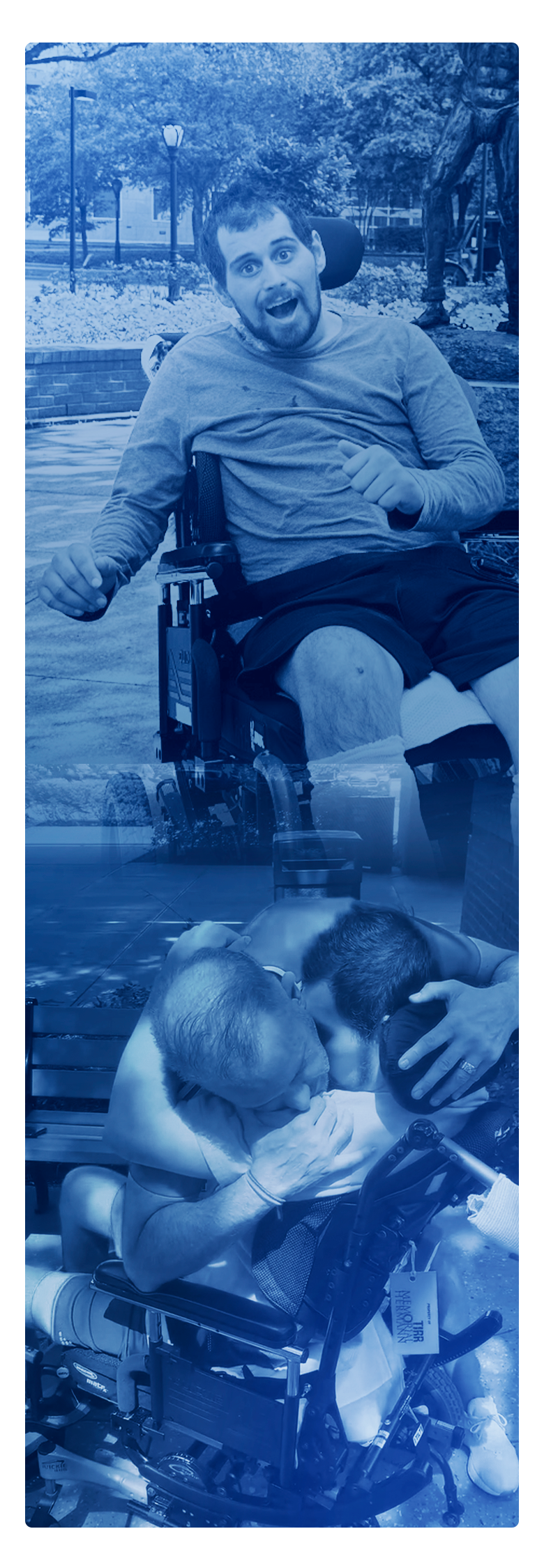
He was not a statistic. He was not a diagnosis. He was not a tragic headline.
He was a son who loved deeply. A young man who valued truth. A thinker who wrestled with ideas.
A worker who respected responsibility. A friend who treated every person with equal dignity. A human being whose life mattered.
Some lives are long and quiet. Some lives are brief and catalytic. Jeffrey’s was catalytic.
His legacy is not sentimental — it is structural. It is documented. It is recorded. It is now part of a movement committed to reform.
He came into this world with depth and strength.
He left it having awakened something larger than himself.
And perhaps the most revealing truth about Jeffrey is this: long before the storm, long before anyone could imagine what he would endure, he had already defined what mattered most.
During his first years of college, before tragedy, before trials, before the world shifted, Jeffrey wrote about purpose. Not about status. Not about income. But about legacy and service.
“It’s about leaving a lasting legacy and being a part of something bigger than yourself. It’s servant leadership and at the end of the day it’s about saving lives.”
— Written by Jeffrey
And he will not be forgotten. His mother and father, and Founders of: Jeffrey’s Journey & Legacy
George & Jessica

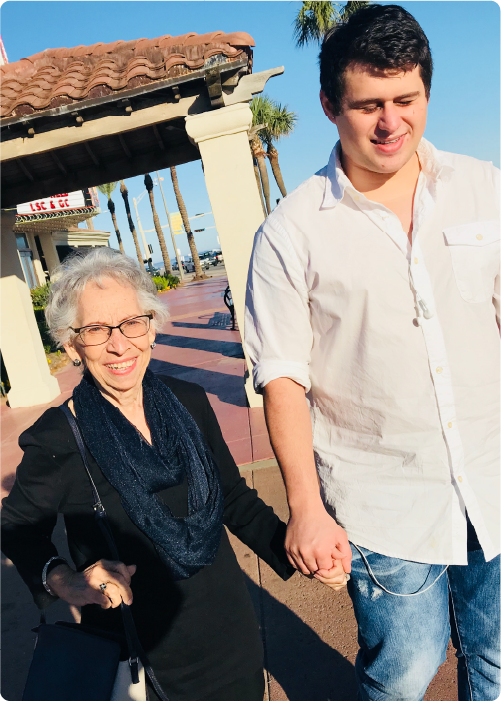

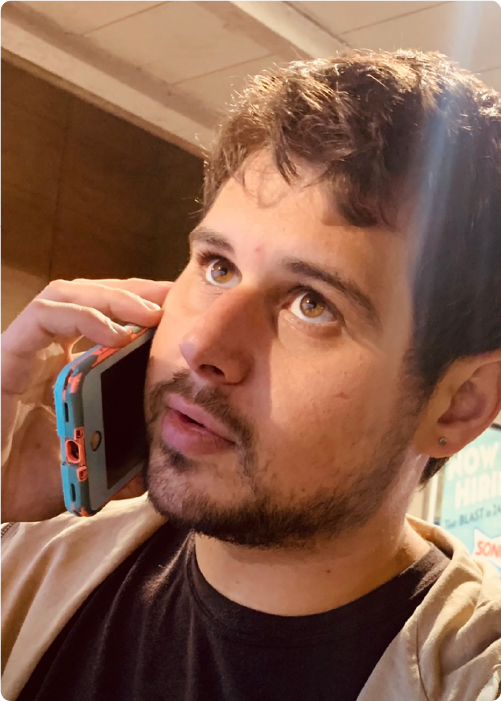
Jeffrey Boso-Varian February 9, 1995 - March 6, 2024
Jeffrey’s life reminds us that a human being is never defined by a diagnosis, a prognosis, or a moment of suffering.
His courage, his faith in God, his will to live, and his capacity to love revealed something deeper than injury: The extraordinary resilience of the human spirit.
Jeffrey’s journey awakened a call to defend the life, dignity, hope, and recovery potential of every person living with brain injury.
His journey did not end. It became a legacy.