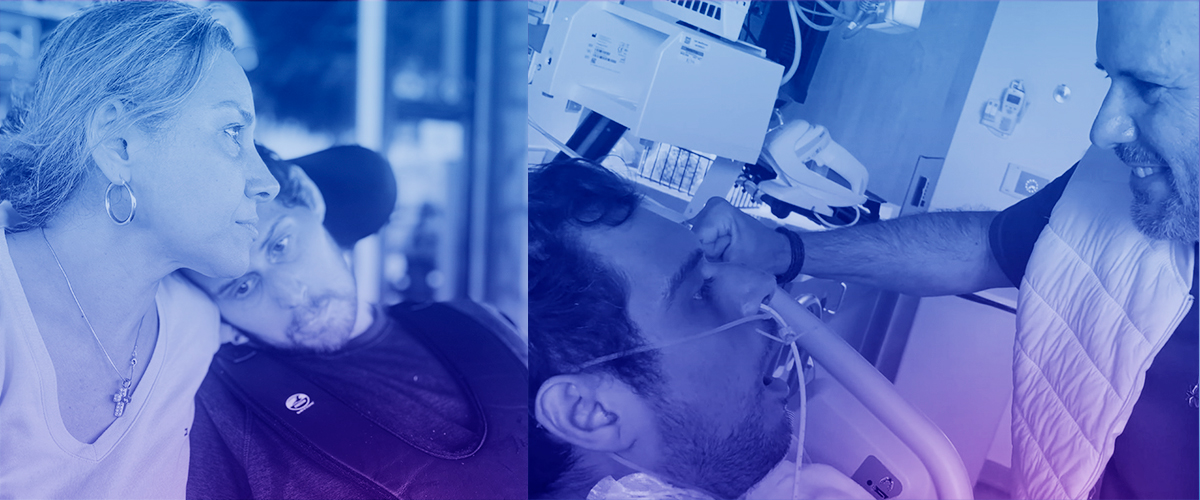

Jeffrey's story is a heartbreaking testament to the challenges faced by brain injury (TBI, hypoxic, anoxic) patients in the American healthcare system. From his initial injury in November 2022 to his untimely passing in March of 2024, Jeffrey's journey was marked by remarkable progress, devastating setbacks, and a constant battle against insurance denials and inadequate care. This presentation aims to shed light on the critical issues surrounding TBI patient care and advocate for comprehensive insurance coverage to prevent similar tragedies in the future.
Created by George and Jessica Varian
The Initial Injury and Early Challenges
November 9, 2022: The Incident
Jeffrey suffers what was initially diagnosed as a severe diffuse, ischemic, hypoxic brain damage, resulting in significant brain and brainstem damage. He is admitted to critical care ICU at Houston Methodist Hospital Medical Center, where he spends six critical weeks.
December 2022 - Early 2023: Conflicting Prognoses
Neurologists at Methodist Hospital unanimously recommend disconnecting life support. However, his parents would not allow him to be disconnected. Jeffrey begins to show signs of consciousness and movement, defying their expectations. This leads to the neurologists abandoning Jeffrey's case, refusing further care.
Early 2023: The Fight for Proper Care
Jeffrey's family battles to get him admitted to TIRR Memorial Hermann. Due to TIRR”s comprehensive neuro-evaluation, Jeffrey was admitted to TIRR with an Anoxic brain injury in January. opening a new chapter in Jeffrey's recovery journey.
Neuroplasticity and Progress at TIRR
Understanding Neuroplasticity
TIRR Memorial Hermann's approach focused on neuroplasticity, the brain's ability to rewire and adapt. This concept became crucial in Jeffrey's recovery, as it allowed for innovative treatments targeting his immobile limbs.
Innovative Treatments
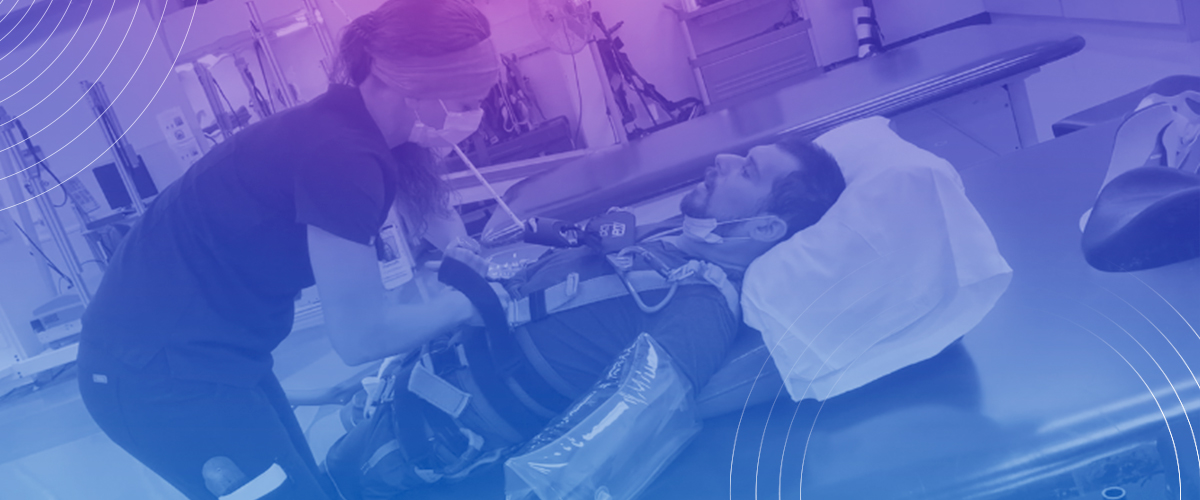
Using a device called a VECTOR, therapists suspended Jeffrey while attaching electrodes to his leg muscles. This method stimulated movement, encouraging his brain to reestablish connections and control over his limbs.
Remarkable Progress
Through these treatments, Jeffrey began to regain control of his legs. He started to move, talk, sing, and even walk, showcasing the potential of targeted neurological rehabilitation for TBI patients.
The Battle with Insurance and Care Transitions
Insurance Denial
Despite Jeffrey's progress, insurance denies further coverage at TIRR. This decision forces a difficult transition in his care, highlighting the challenges faced by brain injury patients in securing long-term, specialized treatment.
Pressured Decisions
Jeffrey's family faces pressure to send him to a nursing home or home hospice. They refuse both options, recognizing the need for continued specialized care that these facilities couldn't provide.
Moody Rehabilitation Center
Jeffrey transfers to Moody Rehabilitation Center in Galveston. However, within 72 hours, his condition deteriorates, necessitating another hospital admission and underscoring the importance of consistent, specialized care for brain injury patients.
The Vicious Cycle of Inadequate Care and Insurance Denials
Inexperienced Care Teams
At UTMB Galveston, Jeffrey spends two months under the care of inexperienced physicians unable to evaluate or treat patients with severe brain injuries. This leads to mismanagement and a decline in his condition, highlighting the critical need for specialized care in brain injury recovery.
Misinterpretation of Progress
Hospital physical therapists, unfamiliar with brain injury recovery, misinterpret Jeffrey's abilities in clinical notes. Their assessments, focused on standard metrics, not those with brain injury, failing to capture the complexity of brain injury recovery, leading to inaccurate progress notes.
Insurance Denial Cycle
These inaccurate assessments are used by insurance company to deny further specialized care. This creates a vicious cycle where Jeffrey loses access to appropriate treatment, leading to setbacks in his recovery and making it even harder to qualify for necessary care in the future.
Critical Complications and Continued Struggles
Mid 2023: Sepsis and Kidney Damage
Jeffrey contracts sepsis and suffers kidney damage, further complicating his recovery and highlighting the risks of prolonged hospitalization without specialized care.
Mid/Late 2023: Transfer to Nexus LTAC
After intense battles, with insurance Jeffrey is transferred to Nexus LTAC in The Woodlands, TX. He begins to show signs of recovery, demonstrating the importance of appropriate care settings for patients with a chronic brain injury.
Insurance Denial
Despite progress, insurance denies further treatment, citing excessive costs. This decision showcases the ongoing struggle between patient needs and insurance financial profitability.
Late 2023 - Early 2024: Appeals Process
Jeffrey's family engages in a grueling appeals process to secure necessary surgeries and rehabilitation, emphasizing the need for a more streamlined and patient centered approach to chronic brain injuries.
The Final Chapter and Ongoing Advocacy
Surgery and aftermath
December 2023: Jeffrey undergoes successful surgery to address a condition that developed due to neglect while at Nexus Neuro Recovery. Due to his brain injury, specialized post-surgical care was required. Both surgeons stated that immediately after surgery he should be admitted to an inpatient rehabilitation hospital to focus on critical rehab, pain management and vital wound care, under the supervision of a qualified brain injury doctor. Though the request was standard, insurance denied the request. Due to the denial, Jeffrey was discharged home. Two days after surgery, due to his underlying brain injury and associated surgical wound care complications, Jeffrey was transported to the hospital.
Continued Struggles
January 2024: Jeffrey continues to suffer from significant post-surgical pain due to wounds not healing properly. During this time Jeffreys parents continue their fight to get insurance approval to be admitted to an inpatient rehabilitation hospital. During this time insurance denied the claim three more times furthering the deterioration of Jeffrey's condition. One month following the surgery, his parents escalated the claim requesting an expedited emergency third party review. After review, the third party overturned insurance denial, determining that Jeffrey needed immediate inpatient treatment under the care of a brain injury doctor.. By this time Jeffrey keeps losing priceless neuroplasticity recovery time. Every single time Jeffrey advances are lost by pure negligence or plain corruption.
Final Complications
February 2024: Three days after discharge from rehabilitation Jeffrey is readmitted to the hospital IMCU. During this time he develops sepsis and a deadly bacterial infection possibly due to the open wounds on his legs. Despite the diagnosis and his deteriorating condition, insurance determines that he should be discharged. With no resistance by the Hospitalist who said Jeffrey was stable, he was discharged and transferred back to inpatient rehabilitation.
Insurance Battles
For 11 months the insurance company denied admission to necessary levels of care no less than 15 times which included 5 denials for crucial therapy and wound care following surgery. On at least 5 occasions insurance denied Jeffrey’s doctors orders for crucial outpatient rehabilitation. Insurance ignored the risks associated with prolonged and complex medical interventions for severely brain injured patients. Insurance didn’t just let Jeffrey down, it hastened Jeffrey’s premature or even avoidable death. We have no doubts that if nothing of the above would have taken place, Jeffrey more likely would be alive and doing exceptionally well in his Neuro-Recovery.
The Final Chapter and Ongoing Advocacy
Premature Discharge
Despite his critical condition, Jeffrey is discharged due to insurance refusal to cover further hospitalization. This decision tragically leads to his passing just three days after leaving the hospital.
Documenting the Journey
Jeffrey's family records over 300 videos documenting his progress and subsequent decline, creating a powerful testament to both the potential for recovery and the devastating impact of systemic failures in TBI care.
Ongoing Advocacy
In the wake of Jeffrey's passing, his family continues to advocate for comprehensive insurance coverage for TBI patients, aiming to prevent similar tragedies and improve long-term outcomes for those affected by traumatic brain injuries.
Call to Action: Improving TBI Care and Coverage
Specialized Care
Advocate for increased training and resources for healthcare providers in brain injury treatment, ensuring patients receive appropriate, specialized care throughout their recovery journey.
Insurance Reform
Push for comprehensive insurance coverage for brain injury patients to include recognizing brain injury as a chronic injury, long-term rehabilitation and necessary medical interventions without arbitrary time or profit/cost limitations.
Research Funding
Support increased funding for brain injury research, focusing on innovative treatments, recovery timelines, and long-term outcomes to inform better care protocols and insurance policies.
Public Awareness
Raise public awareness about the challenges faced by brain injury patients and their families, fostering a more supportive societal environment and driving policy changes.